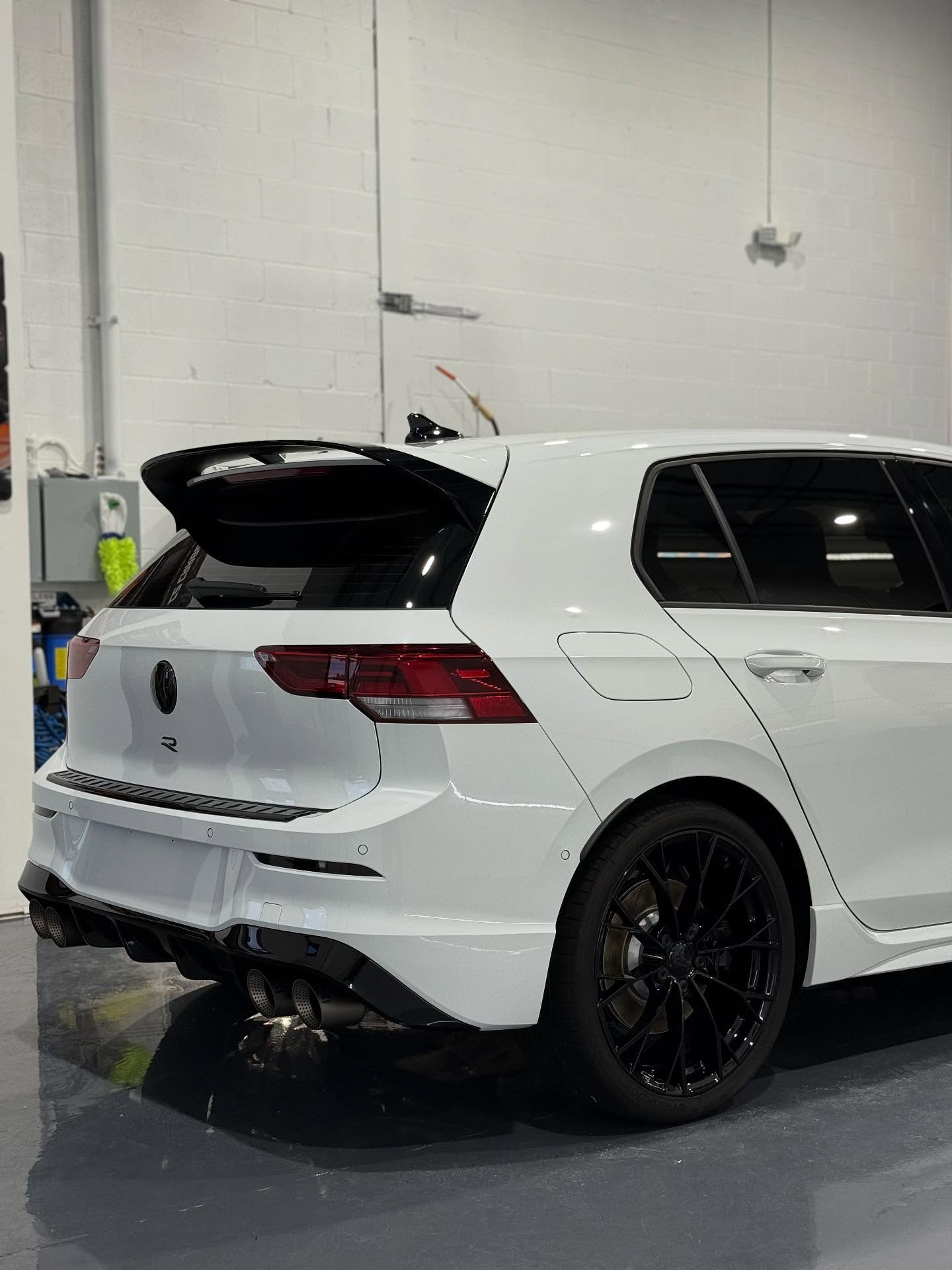
Is Ceramic Coating Your Car Worth It In 2026? A Fraser, Michigan Owner's Guide
What Ceramic Coating Does to Your Paint
Quick Summary: Ceramic coating bonds to your car's clear coat and forms a hard, glass-like layer over the paint that makes dirt, water, and UV slide off instead of soaking in. It won't stop every scratch, but it gives your paint a shield it didn't have before.
So what happens when we apply ceramic coating in Fraser? It's not paint, and it's not wax, either. We use Feynlab, a nano-ceramic coating that bonds to your clear coat as it cures, and that chemical bond is what lets the protection last for a long time, rather than weeks. Once it sets, the coating becomes part of the surface instead of sitting on top the way wax does, so it won't wash off in the next rain the way a coat of wax will.
We've coated everything from daily drivers to weekend sports cars from all over Macomb County, and the reaction up close is always the same. Water doesn't spread out and dry into spots; it beads up tight and rolls right off, carrying dust and road grime with it. That's the coating doing its job, not luck.
Here's what a good coating does for your paint:
- Forms a hard, slick barrier that keeps dirt, bird droppings, and tree sap from bonding
- Blocks much of the UV that causes fading and oxidation
- Makes washing easier, since grime doesn't grip the surface
- Adds real depth and gloss, especially on darker colors
- Won't fix swirl marks or scratches; that's paint correction, a separate step
That last point trips people up, so it's worth being clear about: ceramic coating protects paint, it doesn't repair it. Coating over swirl marks just seals the flaws under a glossy layer, which is why we recommend a clay bar treatment and paint correction first whenever the paint already has years of wear on it.
Once the coating is on, your paint shrugs off the things that normally wear it down, from the salt spray that comes with Michigan winters¹ to the road grit kicked up on I-696 and the sprinkler minerals that show up in summer. None of it can grip a slick, sealed surface the way it grips bare clear coat, so it rinses off before it has a chance to settle in.
Some people may wonder whether coating makes a car scratch-proof, and we'll always tell you straight that it doesn't. What it does add is chemical resistance and a tougher surface that stands up better to everyday wear, sun, and contamination. Bare clear coat is porous and soaks up whatever lands on it, while coated paint doesn't. See how we handle the full process as a local professional ceramic coating installer in Fraser.
Why Paint Condition Decides the Real Value of Ceramic Coating
Coming back to this point that a lot of people miss: ceramic coating doesn't fix your paint, it protects whatever is already there. So if your paint has swirl marks or baked-in water spots, the coating simply seals that damage in and hides the flaws under a glossy layer. We have witnessed this mistake before, where someone books a coating hoping to make tired paint look new again, and it just doesn't work that way.
That's why paint condition is really the whole question. A car with healthy, well-kept paint gets a big return on coating, since the gloss pops, the protection lasts, and it stays easy to clean. A car with heavy oxidation or deep scratches needs work done first, because coating over those problems only locks them in, the same way painting over a cracked wall leaves the cracks right where they were.
So how do you know where your car stands? A few signs usually tell the story:
- Swirl marks that show up under direct sun or garage lighting
- Water spots that won't wipe off, mostly on hoods and roofs
- A dull or hazy look even after a fresh wash
- Small scratches you can feel with a fingernail but barely see
- Paint that feels rough instead of glass-smooth under your hand
If you're noticing any of those, it doesn't take coating off the table; it just means paint correction or a clay bar should come first, and we handle both here. Most cars we see in Fraser and nearby Clinton Township or Sterling Heights need at least a light correction before coating goes on, since it levels the surface, pulls out the fine imperfections, and gives the coating clean paint to bond to.
Winter is rough on Michigan paint, because road salt, slush, and constant temperature swings speed up oxidation faster than most owners expect. A car that looked fine in October can show real wear by February, which is why it could be a good idea for Macomb County owners to bring their cars in during late winter or early spring, right before coating season picks up.
If you want the full picture on what coating protects against and how the process runs from start to finish, take a look at our ceramic coating service page for the breakdown. The bottom line is simple: good paint plus coating means long-term of easy upkeep and deep gloss, while rough paint plus coating just locks in flaws you'll regret later.

Ceramic Coating vs. Wax: Why the Comparison Misses the Point
This is a very common point: why pay for ceramic coating when wax does the same thing? The honest answer is that it doesn't, not even close. Wax sits on top of your paint like a thin blanket that looks great for a few weeks, then breaks down fast once winter salt and slush start hitting your car around Fraser. Ceramic coating works differently, bonding to your paint at a chemical level so it becomes part of the clear coat itself.
Think about what your car deals with here. Michigan winters bring road salt, slush, and constant temperature swings, while summer brings UV rays and bug guts on every highway drive, a range wax was never built to handle. Most owners are lucky to get six to eight weeks out of a wax job before it's basically gone, whereas ceramic coating is built for exactly that kind of abuse. So the real question isn't wax versus ceramic; it's what you want out of your paint protection.
If you just want a quick shine before selling the car next month, wax might do the job. But if you want your paint looking sharp for the long-term, that's a different conversation.
Here's how the two stack up:
- Wax needs redoing every month or two; ceramic coating can last years, depending on the product (and your driving)
- Wax adds light shine; ceramic builds a hard, glossy layer that shrugs off swirls better
- Wax gives little UV defense; ceramic blocks the UV that breaks paint down over time
- Wax struggles with road salt; ceramic makes winter grime easier to rinse before it etches
Some people may have gone through years of waxing every spring, sure they were doing right by their paint, and they weren't wrong, since wax is better than nothing. But once they set a coated panel next to an unwaxed one after a rough Michigan winter, the difference is obvious. The coated paint still beads water and looks deep and glossy, while the waxed panel looks dull and tired no matter how recently it was done.
So here's the real question worth asking in 2026: are you trying to maintain your paint, or protect it? Wax is maintenance, and ceramic coating is protection. If you want your paint looking new for a longer period of time, instead of weeks, that's the type of work we do, and we're always happy to walk your car and tell you straight what it needs.
If you’re comparing longevity to price, our guide on ceramic coating cost in 2026 shows how different coating tiers affect both durability and budget.
Frequently Asked Questions
How long does ceramic coating last on a car?
Ceramic coating usually lasts a few years, but care and storage decide the real number. Cars kept in a garage hold gloss and protection longer than ones parked outside all year. Fraser winters with road salt and slush wear it down faster than mild climates. Regular washing and skipping harsh automatic car washes help it hold up. If you're not sure how your paint's condition affects that, our ceramic coating page walks through what to expect.
Can I put ceramic coating on my car myself, or should I get it done professionally?
Professional application gives you a stronger bond and more even coverage than a DIY kit. Consumer-grade kits often skip prep steps like clay bar treatment and correction, which is what makes coating work. Without that prep, the coating can trap swirl marks or bond unevenly. A pro shop also controls curing conditions, which matters a lot for how long it lasts. If your paint has any wear, it's worth having someone look first.
Does ceramic coating stop rust from road salt in Michigan winters?
Ceramic coating doesn't stop rust, but it does make salt and grime harder to grip your paint. Fraser winters bring heavy salt from roads like I-696, and that salt can eat into bare clear coat. A coated surface sheds that grit more easily when you wash, so it sits on the paint for less time. Rust prevention still comes down to regular washing, especially the undercarriage, since coating only guards the painted surfaces.
What's the difference between ceramic coating and paint correction?
Paint correction removes existing scratches and swirl marks, while ceramic coating protects paint that's already in good shape. These are two separate steps, not one job. If your paint feels rough or looks hazy under garage lighting, correction should come first. Coating over damaged paint just seals the flaws under a glossy layer instead of fixing them. Most cars we see around Fraser and nearby Clinton Township need at least a light correction before coating.
How do I know if my car's paint is healthy enough for ceramic coating?
Check for swirl marks in direct sun, water spots that won't wipe off, or a dull look after washing. Run your hand over the hood too, since a rough or gritty feel usually means hidden clear-coat damage. Paint that feels smooth and glassy is usually ready for coating without extra prep. If you spot any of those signs, have someone look before you book, so you don't lock in damage.
Is ceramic coating worth it if I only drive my car seasonally?
Yes, seasonal drivers often get strong value, since the car spends less time facing daily wear. Weekend and summer-only cars around Fraser still deal with UV, tree sap, and dust during storage months. Coating keeps that grime from bonding, so cleanup before and after storage takes less work. It also protects gloss through long stretches without washing, which matters most for cars that sit for weeks.