How much does paint correction cost?
Why Paint Correction Cost Isn't a Fixed Price
We get such questions in Fraser. Someone calls, asks for a flat number, and we ask to see the car. That's not us dodging. As mentioned, labor is a huge pricing driver for paint correction, measured in hours, and nobody can guess the hours without looking at the paint under proper light.
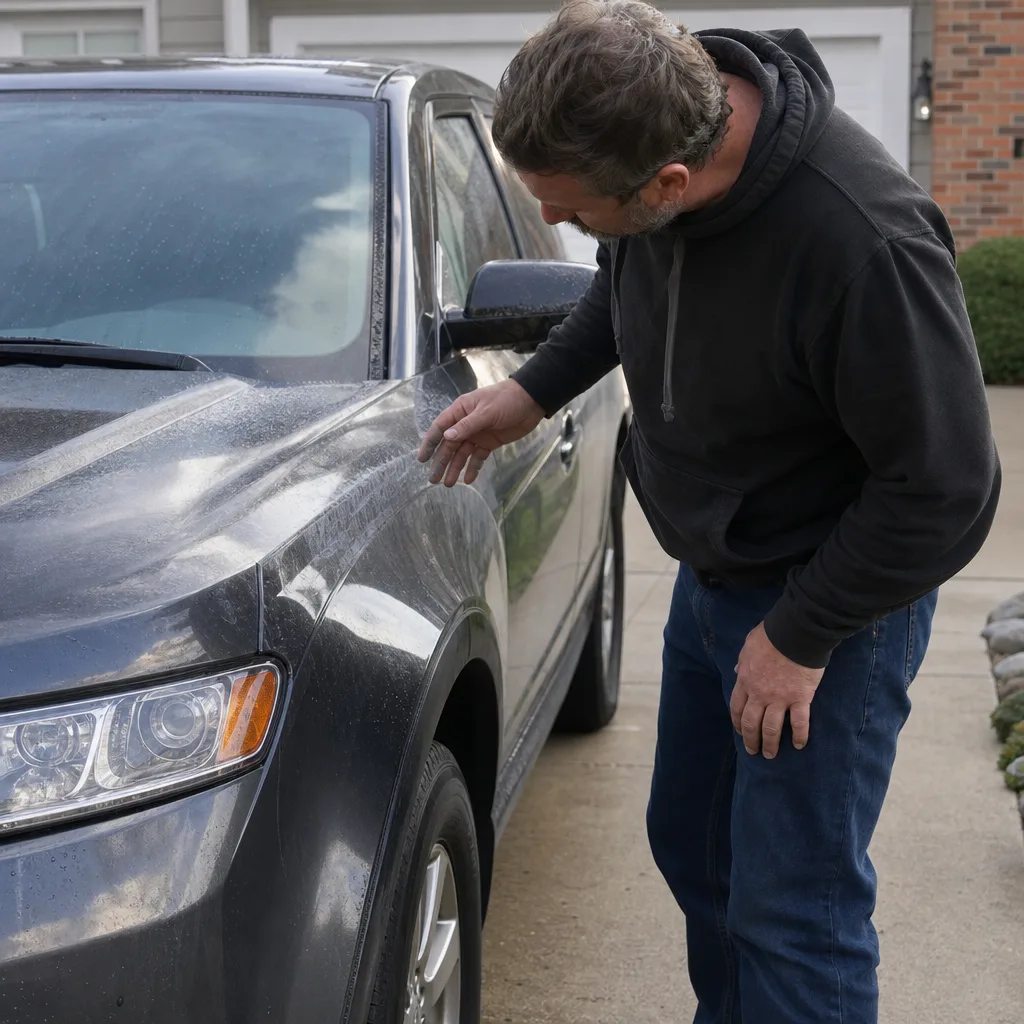
Think of it like this. Two black sedans roll in on the same morning. One's a garage kept weekend car with light swirls from a soft towel. The other spent four Michigan winters parked outside with automatic car washes every other week. Same model, same color, completely different jobs.
So how do we land on a real number for your car? We read the paint before we quote it.
Start with the clear coat, because it isn't infinite. We measure it before we touch anything, since removing too much is permanent¹ and no amount of polishing brings it back. On a car that's been buffed hard by a previous shop, there's less to work with, and that alone changes the whole plan.
There's real work before a single pad touches paint, too. Decontamination, clay bar treatment, taping off trim, and cleaning panel gaps all come first. Skip that and you're just grinding dirt into the finish, so it's part of the hours whether people expect it or not.
Which is why an honest shop asks to see your car before quoting.
When we inspect, we use a paint depth gauge and a few different light sources, then run a test spot on one panel. That spot shows how your paint responds and how many stages it'll realistically take. It also puts the before and after side by side on your own car. No guessing, no surprises halfway through.
What Drives the Price Up or Down
Two cars can roll into the shop on the same morning and leave with very different invoices. Same service, same detailer, totally different amount of work. The gap comes down to a handful of factors, and they stack on top of each other.
So what moves the number?
- Damage depth. Light haze from a drive-through wash comes out fast. Deep swirls, buffer trails from a previous shop, or sanding marks take multiple passes.
- Paint hardness. German clear coats fight back. Softer Japanese paint corrects quicker but marks easier while you work, so it needs a careful finishing step.
- Vehicle size and shape. A compact sedan has less surface area than a three-row SUV. Tight body lines, spoilers, and roof rails all slow the machine down.
- Color. Black and dark blue show everything. Silver hides a lot. Dark cars almost always need an extra refinement pass to look right in the sun.
- Current condition. A well-kept garage car is a different job than a daily driver that's seen five Michigan winters and a lot of road salt.
- What comes after. If we're topping the paint with ceramic coating or paint protection film, the correction standard goes up because you're locking that finish in.
That last one matters more than people expect. We see this all the time around Fraser and Clinton Township, someone wants a ceramic coating applied over paint that was never properly corrected. The coating just seals the swirls under a glossy layer. You'd be paying to preserve the exact flaws you wanted gone.
A car brought in around Fraser or Clinton Township may look like it needs the heaviest correction we offer, then turn out to need far less once we run the test spot. What reads as deep scratching is often just marring and water spots sitting near the surface, which come out with lighter work. That's exactly why we'd rather look first than assume, since it can mean less labor than an owner braced for.
Timing plays in too. Winter here is brutal on finishes, salt brine, sand, and endless car wash brushes. Cars that go through that without protection tend to need more work come April. Booking paint correction in Fraser before the first freeze usually means a lighter, shorter job, and the paint has something protecting it through the worst months.
One-Step vs. Multi-Step Correction: What's the Difference
Here's where most of the confusion comes from. Two cars can sit in the same bay, get the same machine polisher run over them, and walk out with completely different results. The difference isn't the tool. It's how many passes the paint needed.
A one-step correction is exactly what it sounds like. One pass with one compound and one pad, designed to knock out the lighter stuff and bring back gloss in a single round. It won't remove everything. But it'll get you a big visual jump on paint that's in decent shape.
We use one-step on cars like these all the time:
- Newer vehicles with light swirl marks from automatic car washes
- Leased cars where the owner wants it looking sharp without deep work
- Paint being prepped for ceramic coating that's already in good condition
- Daily drivers with haze but no real scratches you can feel with a fingernail
- Darker colors where swirls show badly but the clear coat is still healthy
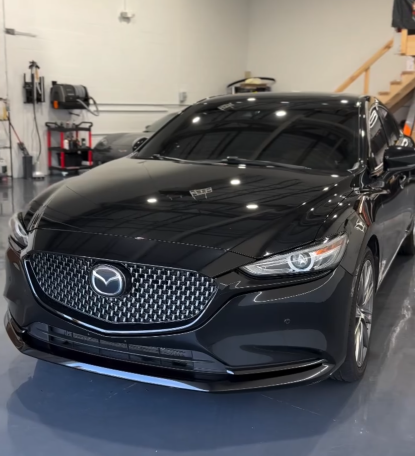
A new 2026 GMC Sierra we handled is a good example from our Facebook page. The truck came in with factory paint in solid shape, so a one-step correction was all it needed before we applied a ceramic coating. Even on a black finish, where every flaw shows, one properly done stage was enough to bring out the gloss.
In other cases, a multi-step correction is required, which is a different animal. This is where we cut first with a more aggressive compound, then refine with a lighter polish, and sometimes finish with a third pass to chase down any haze the cutting stage left behind. Each stage does one job well instead of asking one product to do everything at once.
So how does a multi-step run? Roughly like this:
- Full decontamination wash and clay bar treatment to pull embedded grit out of the clear coat
- Paint depth readings and a test spot to see how the clear coat responds
- Cutting stage to level the deeper defects, scratches, and etching
- Refining polish to remove any haze or micro-marring left by the cut
- Final finishing pass on soft or dark paint where clarity matters most
- Panel wipe and inspection under multiple light angles before anything gets sealed
That test spot in step two is the part nobody talks about, and it's the most important step. We don't know what your paint can handle until we try it. Some German clear coats are hard as glass. Some Japanese paint is soft enough that an aggressive pad leaves its own marks behind.
Which one does your car need? Be honest with yourself about what's bothering you. If the finish just looks tired and cloudy, one-step probably handles it. If you can catch a fingernail on a scratch, or you've got water spot etching baked in from a Michigan summer, one pass won't touch it.
Winter makes this worse around here. Road salt, brine, and gritty slush in Fraser get dragged across the paint every time someone runs a car through a brush wash in January. By spring, a lot of those cars have moved from one-step territory into multi-step territory without the owner noticing it happen.
One last thing worth knowing. More steps isn't automatically better. Every correction removes a thin layer of clear coat, and you only get so many before you're into trouble. A good shop pushes as far as the paint safely allows, then stops. That restraint is the part you're really paying for.
All of that leads to the bigger question a lot of owners sit with before booking: is paint correction worth it for your car? That answer comes down to what you're protecting, how long you plan to keep it, and whether you're topping it with a coating that makes the finish last.
Frequently Asked Questions
How do I know if my car needs paint correction?
You'll usually see swirls, haze, or dull spots when the car sits in direct sunlight, especially on dark colors. Run your hand over the paint too, if it feels gritty even after a wash, that's bonded contamination adding to the look. Michigan winters make this worse, since salt and sand scratch the clear coat over months of driving. If your car looks cloudy or scratched under good light, it's worth having someone check panel by panel before you decide what level of work it needs.
What's the difference between a one-stage polish and multi-stage correction?
A single-stage polish removes light haze and boosts shine, while multi-stage correction cuts deeper scratches first, then refines and finishes the paint. Single-stage work fits cars with minor swirls from soft towels or gentle washing. Multi-stage correction is for paint with real damage, like buffer trails, deep scratches, or years of wash marring. The number of stages your car needs depends on how deep the defects go, which is something we check with a test spot before starting.
Can I just apply ceramic coating without correcting the paint first?
You can, but the coating will seal in every swirl and scratch already there. Ceramic coating adds gloss and protection, it doesn't remove existing damage. We see this often around Fraser, someone wants a coating over paint that was never corrected, and they end up locking in the exact flaws they wanted gone. If you want a clean, glossy finish that lasts, correction needs to happen first.
Why does my car need more correction work than my neighbor's identical model?
It comes down to how the paint was treated, not the car itself. Wash habits, garage storage, and exposure to winter salt all change how much damage builds up. A garage-kept weekend car and a daily driver parked outside through four Michigan winters can leave the factory the same but need very different amounts of work. That's why an honest quote always starts with looking at your specific paint, not the model year.
Does Michigan winter weather really make paint correction more necessary?
Yes, salt brine, sand, and freeze-thaw cycles are hard on clear coat from November through March. Cars in Fraser, Clinton Township, and Sterling Heights often show more etching and wash-induced swirling than vehicles from milder climates. Automatic car washes used to clear off salt can add their own scratching too. Many owners book paint correction before the first freeze, so the paint has protection heading into the roughest months.
How does a shop figure out how many hours my paint correction will take?
We measure clear coat thickness, inspect the car under proper lighting, and run a small test spot on one panel before quoting anything. That test spot shows exactly how your paint responds to a specific pad and polish combination, which tells us how many passes it will realistically need. This is also how we avoid removing too much clear coat, since that damage is permanent.