Is Home Window Tinting Worth It? What It Does, Benefits & Drawbacks
A back bedroom bakes every afternoon. The couch by the front window keeps fading on one side. The TV turns into a mirror around 3 p.m. Or your kitchen gets so bright you squint while cooking.
Sound familiar? A thin film on your glass could help with all of that. Or it might not, depending on your windows. Window film isn’t magic, it’s a tool that works great on some glass and does little on others.
This guide explains what home window tinting does, where it helps, and where it falls short. We’ll cover how film works, the benefits, the drawbacks, and a quick checklist. As a window tint shop in Fraser, we’d rather you decide with the full picture than a sales pitch.
Is Home Window Tinting Worth It?
For many homes, yes, it is worth it to tint home windows, especially with hot rooms, strong glare, or fading furniture. Tinting home windows is worth it when you want to:
- Cut solar heat coming through sunny windows
- Block UV rays that fade floors and fabric
- Reduce glare on screens and in living spaces
- Add daytime privacy without blinds
It’s less worth it on shaded windows or glass where film could affect the warranty.
Not sure your windows are a good fit? See how home window tinting in Fraser works.
What Does Home Window Tinting Do?
Home window tint is a thin film applied to the inside of your glass. It works by reflecting or absorbing part of the sun’s energy. That includes heat, UV rays, and visible light.
Every film comes with a few ratings. You only need to know three:
- VLT (Visible Light Transmission): How much daylight gets through. A lower number means a darker film.
- SHGC (Solar Heat Gain Coefficient): How much of the sun’s heat gets in. A lower number means a cooler room.
- UV blocked: How much ultraviolet light the film stops. This protects your skin and your furniture.
Here’s the part that surprises people. Darker does not mean more UV protection. Many clear films block UV just as well as dark ones, this makes it possible to protect your floors without dimming the room.
Home film also isn’t the same as car tint. The films are built for different glass, and the rules are different too. What goes on a truck in our Fraser shop isn’t what goes on your living room window.
Key Benefits of Tinting House Windows
Why tint in the first place? It usually starts with one problem you’re tired of living with. Here’s what film can help with:
- Less heat from sunny windows. Film lowers how much solar heat gets into the room. According to the IWFA, some films may cut summer solar heat gain by up to 84%. Results depend on the film and the window.
- UV protection for skin and furnishings. Films that earn the Skin Cancer Foundation’s Seal of Recommendation block at least 99% of UVA and UVB rays. That’s the light that fades hardwood, rugs, couches, and art.
- Less glare. Glare drops on TVs, computer screens, and kitchen counters. You stop closing the blinds in the middle of the day.
- Daytime privacy. Reflective and decorative films make it hard to see in during the day. At night, with your lights on inside, that flips. You’ll still want curtains after dark.
- Safety and security. Window films designed specifically for security, can help hold broken glass together. That means fewer sharp pieces if a window gets hit.
Lower heat gain can show up on your energy bill, too. The IWFA says window film may save about 5–10% of a building’s total energy bill. Your number depends on your home, your windows, and how much sun they get.
In Fraser and all around Macomb County, you may hear some people complain about one room during summer, usually on the south or west side, with big windows. It feels fine all morning, then turns into an oven by mid-afternoon while the AC runs nonstop.
Before getting anything done, make sure you keep in mind that film isn’t right for every window. The wrong film, the wrong glass, or a strict window warranty can turn a fix into a new problem.
Drawbacks and Limits of Home Window Film
This is the section many window tinters skip. We’d rather you hear it from us before you spend a dollar.
Your window warranty could be affected. Some window makers say film can damage the seal and void the warranty. Many film makers offer seal-failure coverage that matches the window maker’s warranty. Check both before anything goes on the glass.
The wrong film can stress the glass. Some films make glass absorb more heat. On the wrong glass, that can raise the risk of cracking. Pros use a film-to-glass chart to match a safe film to your exact windows.
You may lose some winter sun warmth. Standard solar films block heat year-round, including the warmth you want in January. In a Michigan winter, that free sun matters. Low-e film is built to help with that trade-off.
The look may not suit every home. Darker or mirrored films change how your house looks from the street. If you have an HOA, check its rules before you pick a film.
Film won’t fix a drafty window. It doesn’t stop air leaks or repair a failed seal. If cold air is coming through, that’s a window problem, not a tint problem.
Is Home Window Tinting Worth It for Your Home? (Quick Checklist)
Walk through your house and look at the windows that bother you most. Then answer these five questions.
- Which way do your problem windows face? According to the GSA, solar control film works best on south-, east-, or west-facing windows with direct sun. If a window sits in shade most of the day, film may do little.
- What’s your main goal? Heat, fading, glare, privacy, or safety. Pick the problem first, then the film.
- What glass do you have? Single pane, double pane, or glass that’s already low-e? This decides which films are safe and whether your warranty is affected.
- Have you compared other options? Blinds, shades, exterior screens, and replacement windows can help too. According to the IWFA, pro film installation costs about one-tenth of a replacement window. And film keeps your view open.
- What’s your budget? Cost depends on how many windows you have, their size, and the film you choose. A quote based on your actual windows is the only honest number.
Direct sun, a clear goal, and glass that suits film? Then tint is likely worth it for you.
Types of Residential Window Film
Once you know your goal, picking a film gets a lot simpler. Here’s how the main types of home window film compare.
- Solar control film: Best for cutting heat and glare on sunny windows. The trade-off is that it can block winter sun warmth too.
- Low-e film: Best for blocking summer heat and holding heat in during winter. It shows the biggest gains on single-pane or older double-pane glass.
- Ceramic / spectrally selective film: Best for letting in more daylight while still blocking heat. Performance varies by brand, so ask for the spec sheet.
- Decorative / privacy film: Best for bathrooms, front doors, and sidelights. The frosted or patterned look limits your view.
- Safety / security film: Best for holding broken glass together. It’s built for safety more than heat control.
A GSA and Lawrence Berkeley National Lab study found low-e film reduces solar heat gain and improves insulation. For Michigan homes with older windows, it’s the film to ask about first.
What to Expect From Professional Home Window Tinting
Not knowing what happens on install day keeps a lot of people from booking. Here’s how a proper job usually runs at Vinyl Mafia:
- Window check. We walk through your home, note which way each window faces, and find the problem rooms. Then we talk through light levels and privacy, and pick a film that’s safe for your glass.
- Glass cleaning. Every pane gets cleaned inside and out. Any dust or residue left behind gets trapped under the film for good.
- Cutting to size. We measure each window and trim the film to fit. That keeps the edges clean, with no gaps or overlap.
- Install. The film goes on the inside of the glass with a slip solution. We squeegee from the center out to push out water and air.
- Inspection and curing. We check every window for bubbles or debris before we leave. The adhesive takes about 30 days to fully bond.
How long does the visit take? Most homes take half a day to a full day, depending on how many windows you’re doing. We work room by room and clean up as we go.
How long does film last? According to the IWFA, professionally installed film may last 15 years or more. Here’s a closer look at how long home window tinting lasts and what wears it out.
Every install at Vinyl Mafia is done in-house by Dean, Jacob, and Tanner. With 6 years of professional experience, we treat your windows like every vehicle in our shop.
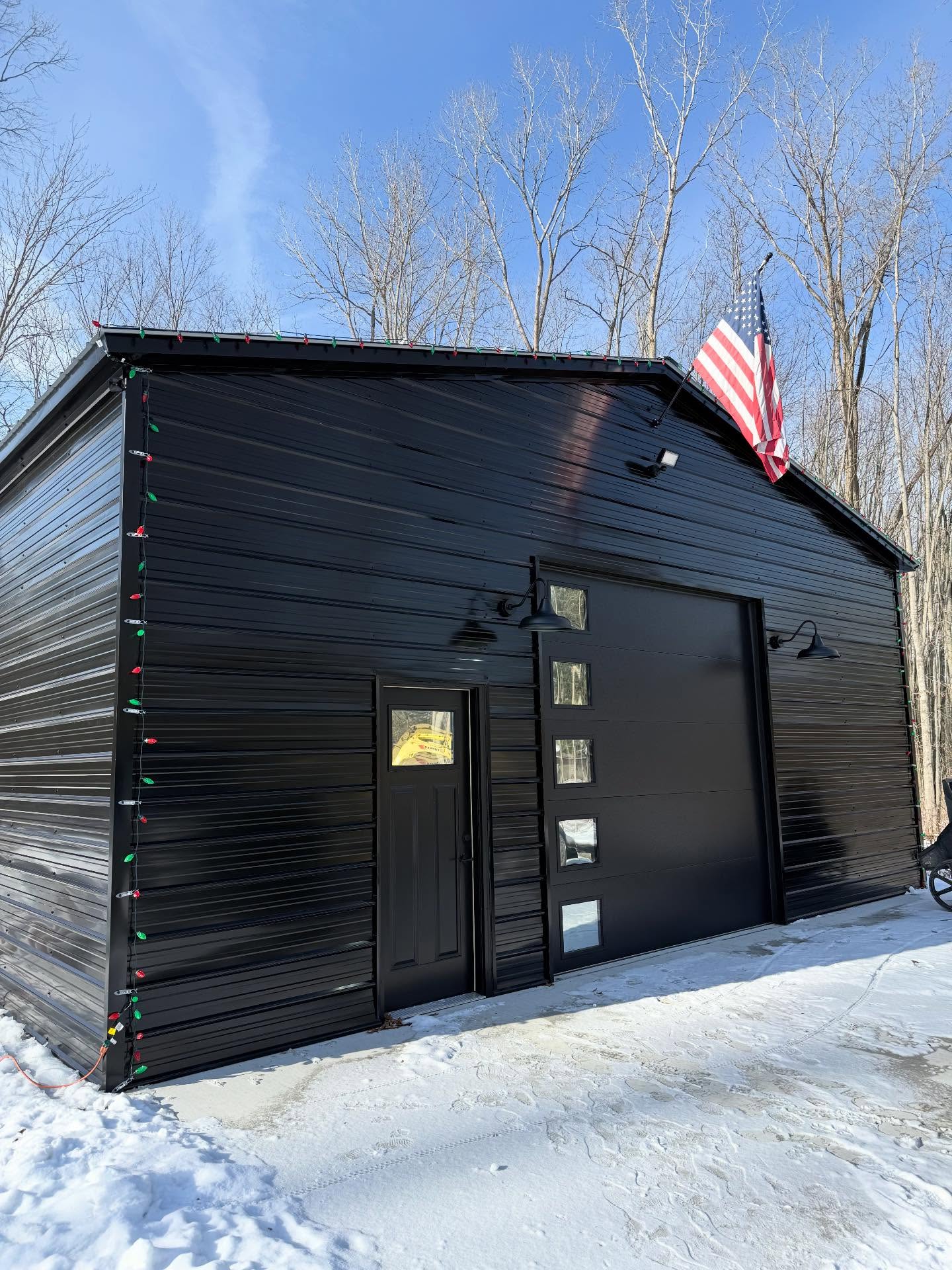
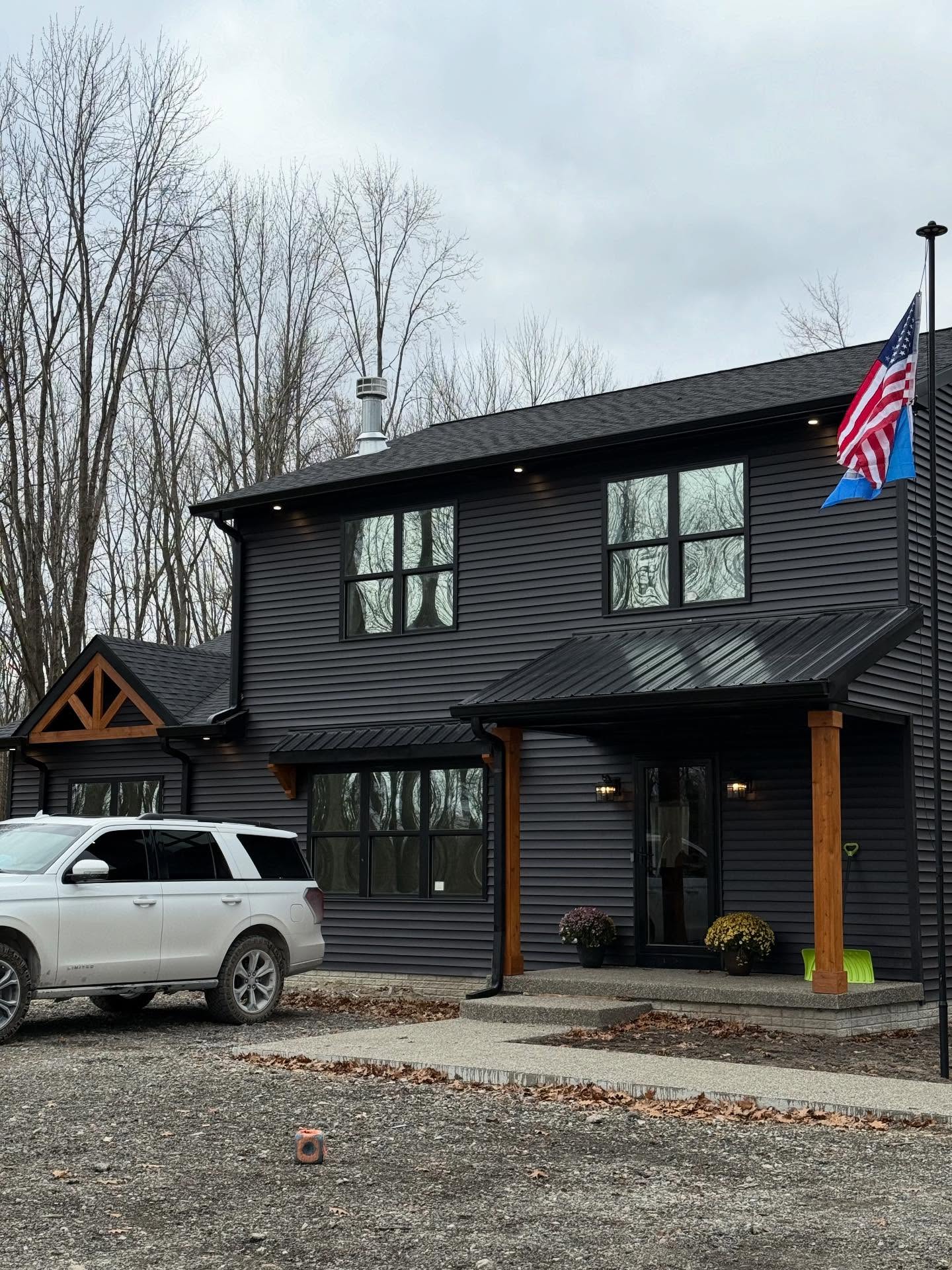
One homeowner had Dean and our team tint both their house and their barn. Their main goal was keeping the heat out, and it did. They also noticed the small stuff, like the crew showing up on time and leaving the place clean. The pictures provided above and below showcase this installation specifically.
Learn more about our residential window tint service here.
So, Is It Worth Tinting Your Home Windows?
If the sun is your problem, film is usually worth it. If drafts or shade are your problem, it usually isn’t.
The easiest next step is having someone look at your actual windows. You’ll get a straight answer on whether film makes sense, and which one. If it isn’t a fit, we’ll tell you that too.
Ready to find out? Book your home window tinting consultation.