How Long Does Home Window Tinting Last? Lifespan, Signs & Care
Years ago, you put film on your living room windows. It’s done its job through a lot of hot Fraser summers. Now there’s a bubble in one corner, and the glass looks a little purple in the afternoon light. Is it time for new film, or does it still have years left?
This guide explains how long home window tinting lasts, what wears it out, and when to replace it. You’ll also get simple care tips and a plain look at what warranties cover. Every number here is for house windows only, not cars.
How Long Does Tint Last on House Windows?
Quality home window tinting installed by a pro on the inside of the glass often lasts 15 years or more. That’s the range the IWFA gives for professionally installed film. Madico, a film maker, says many homeowners get 20 years or more from quality film.
If you’ve read lifespan numbers for car tint, set them aside. Car film and home film are different products used in very different conditions.
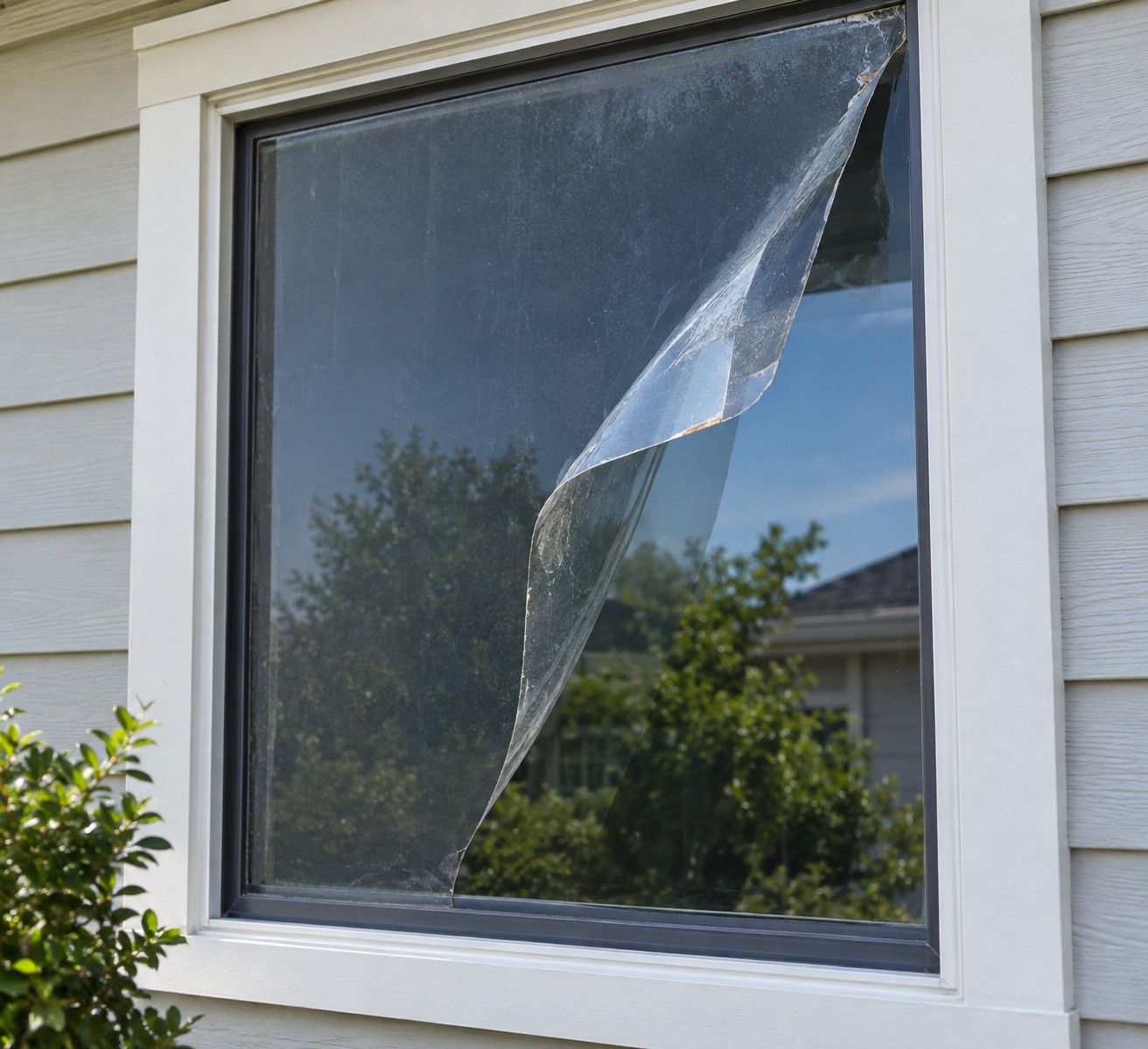
If the film on your windows bubbles, peels, cracks, or changes color, we recommend replacing it. See our home window tinting in Fraser service for more details.
What Affects How Long Home Window Film Lasts
So why does one home’s film last 20 years while another’s peels in five? It comes down to a few things:
- Film quality and type. According to Madico, lifespan depends on the film, the glass, the window build, orientation, and location.
- Inside vs. outside. Interior film is shielded from rain, snow, and ice. Exterior film takes all of it.
- Sun and window direction. South- and west-facing glass takes the most direct sun. More sun hours means more wear over the years.
- Glass type. Single pane, double pane, and low-e glass each suit different films. Pros use a film-to-glass chart to match a safe film to your windows.
- Install and care. Clean prep and tight edges keep film from lifting. Harsh cleaners and scratches do the opposite.
Lifespan by Type of Home Window Film
Not every film is built for the same job or the same lifespan. Here’s what to expect by type:
- Solar control film (inside the glass): Often comes with a lifetime residential warranty (make sure to double check). It’s the film most homes start with for heat, glare, and UV.
- Low-e film (inside the glass): Federal testing by the GSA and Berkeley Lab put its service life at about 15 years. It blocks summer heat and helps hold warmth in during winter.
- Exterior film (outside the glass): Makers like Avery Dennison give it a shorter warranty, based on your climate zone. It faces Michigan weather head-on.
- Decorative and privacy film: Warranty terms vary by brand and product line. Again, make sure you ask for the warranty on the exact film before install.
- Safety and security film: Terms vary here too. Get the written warranty for the specific product you’re buying.
Signs You Should Replace Your Window Film
Even good film wears out at some point. Walk around your house and check for these:
- Late bubbles. Bubbles that show up after the first month, once the film has cured.
- Peeling or lifting edges. Look closely at the corners, especially on your sunniest windows.
- Cracks or crazing. Fine cracks or a web-like pattern mean the film is breaking down.
- Color change or haze. A purple or brown cast, or a cloudy look that wasn’t there before.
- Heat or glare is back. If a room feels like it did before tint, the film may not be doing its job anymore.
Replacing film usually means taking the old layer off first. That removal is a separate step, and it adds a little time to the job.
How to Make Your Home Window Tint Last Longer
The good news is that a few easy habits help your film last as long as possible.
Do:
- Wait about 30 days before cleaning new film. That’s how long the adhesive usually takes to fully bond.
- Expect a little haze or small water pockets at first. They dry out as the film cures.
- Clean with mild soap and water.
- Wipe with a soft cloth or a rubber squeegee.
Don’t:
- Use cleaners with ammonia. Check the label before you grab a household glass cleaner.
- Use scrub pads, razor blades, or abrasive powders on the film.
- Put tape or stickers on tinted glass.
When we finish a home, we go over care with you before we leave. That way you’re not guessing the first time the windows need a wipe.
What Home Window Film Warranties Cover (and Don’t)
A “lifetime” warranty on home film usually means for as long as you own the house. It’s a promise to fix defects, not a promise the film will look new forever. Here’s what most warranties say.
Usually covered:
- Film defects like peeling, bubbling, cracking, and adhesive failure
- On some films, glass breakage and seal failure on double-pane windows, often only while your window maker’s seal warranty is still valid
Usually not covered:
- A new owner after you sell, since some warranties only cover the original buyer
- Damage from misuse, harsh cleaning, or scratches
The IWFA suggests asking your installer how long the recommended film should last on your windows. Get a copy of the warranty in writing, and keep it with your house papers. Learn more about our residential window film service.
So, Is It Time for New Film?
If your film is bubbling, peeling, or changing color, it has done its job. If it still looks clear and the room stays cool, gentle cleaning is the best thing you can do for it.
Not sure which one you’re looking at? We’ll check it in person and tell you honestly, even if the answer is to leave it alone. Book your home window tinting consultation.