Tint Removal Service in Fraser, MI

Tint removal service in Fraser that strips bubbling, purple, or peeling film off vehicle, home, and storefront glass without scratching it or cutting a defroster line. It's one of our window tinting services, and we clean the adhesive off so the glass is ready for whatever goes on next. Get in touch now for a free quote.

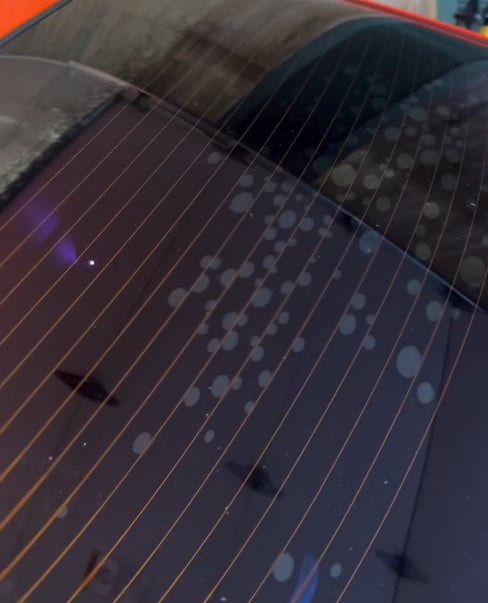
poorly installed and bubbling window film

How does professional tint removal work?

Professional tint removal uses controlled heat and adhesive removers to lift old film and clean the glass underneath, without scratching it or damaging rear defroster lines.

It's done by hand in stages, since old, baked-on film can tear or shatter if it's rushed. The final step is a full adhesive cleanup, which is what leaves the glass clear enough for new film.

  • Heat and lift: warm the film so the adhesive releases, then peel it in sections.
  • Protect the defroster: work around rear-glass lines by hand, never scraping.
  • Clean and inspect: remove all glue residue and check the glass before reinstall.
6 Years of Experience
Open 7 Days a Week
Enclosed, Climate-Controlled Bay
5.0 Rated in Macomb County

How to Tell If Your Tint Has Failed

How do you know your tint has actually failed, not just gotten dusty? You can try looking at it in direct sun. Bubbles or air pockets mean the adhesive is letting go. A shift from black to purple or brown means the dye layer has broken down from UV. None of these things can fix themselves. 

  • Bubbling or rippling, especially near the edges of the door frame
  • Purple or faded brown where the film used to be solid black
  • Peeling corners or edges you can catch with a fingernail
  • Hazy, cloudy film that makes it hard to see at night or in rain

These signs may show up more frequently after a rough winter. Michigan's big temperature swings work the adhesive loose over time, and old jobs from a decade ago fail fastest since films have improved since. And peeling tint isn't just ugly. Bubbled, hazy film scatters light at night and streaks in the rain, so squinting at brake lights on I-94 becomes a visibility problem, not a cosmetic one.

When a Full Removal Isn't Worth It

Not every bad-looking window needs a full strip-down. Sometimes it's one small spot causing the headache, and pulling good film to redo the whole window costs more time and money than it needs to.

You can probably skip full removal if only one corner is bubbling while the rest looks clean, if the old film is sound and you only want a different shade, or if the film is a season or two old and hasn't started going purple. A small nick in the film, not the glass, is another one that doesn't call for a full teardown.

The tell is the whole window, not just the spot that bugs you. Bubbled or purple in more than one section, or edges lifting all around, is a removal job. One clean bubble in a corner is a smaller fix. We'd rather tell you that now, than run up a job you didn't need. 

image of floor-to-ceiling glass windows

Michigan's Tint Law Might Make Removal Urgent

Michigan sets limits on how dark your windows can be under the state vehicle code (MCL 257.709), and officers in Macomb County know what to look for, which makes detecting tint that's darker than allowed a lot easier than you'd realize, potentially turning a routine stop into a ticket. 

Failing tint may also get flagged at a safety inspection, and a buyer or dealer notices peeling film before anything else at resale. The usual red flags are tint that doesn't match front to back, a hazy purple cast from old dye-based film breaking down, edges peeling that get worse fast once winter salt and scrapers hit them, and film installed on a used car without knowing the legal limit.

Low winter sun is when too-dark tint gets noticed most, since it reads darker as the light drops. If your film is failing or you're not sure it's legal, removing it clean is the first step, whether you're headed toward compliant tint or none at all.

Thinking about removing old tint? Get in touch with us now.

How We Take Old Window Tint Off Clean

01

Heat the Film

We warm the film gently with a heat gun so the adhesive releases instead of tearing into pieces.

02

Lift in Sections

The film comes off slowly from a corner, worked in sections so we're not fighting stubborn spots all at once.

03

Clear the Adhesive

Leftover glue gets worked off with a safe adhesive remover, never a razor dragged across the glass.

04

Protect the Defroster Lines

Every defroster line on the rear glass gets cleaned around by hand, not scraped over.

05

Final Clean & Inspect

The glass gets a last clean and inspection, so there's no haze, streaking, or glue left behind.

WHAT OTHER Macomb County CUSTOMERS SAY

{"element":[{"id":718,"data":{"type":"EssentialElements\\CodeBlock","properties":{"content":{"content":{"javascript_code":null,"css_code":null,"php_code":"","disable_builder_label":false}},"design":{"wrapper":null,"spacing":{"margin_top":{"breakpoint_base":{"number":20,"unit":"px","style":"20px"}}}},"settings":{"advanced":{"wrapper":{"size":{"width":{"breakpoint_base":{"number":100,"unit":"%","style":"100%"}},"max_width":{"breakpoint_base":{"number":100,"unit":"%","style":"100%"}}}},"attributes":[{"name":"loading","value":"lazy"}]}}}},"children":[],"_parentId":676}]}

Tint Removal forCars, Homes, and Storefronts

Old tint doesn't just live on cars. We strip bubbled, purple film off sedans and trucks, pull privacy film off home windows, and remove worn security film from storefront glass. What's underneath changes the approach, but the goal is the same: every bit of old adhesive off clean, so whatever goes on next sticks and looks right.

  • Vehicles: bubbling, cracking, or purple discoloration from UV, plus cars headed to resale where cloudy tint hurts the look and price
  • Homes: old privacy or sun control film that's yellowed or peeling at the edges
  • Storefronts: worn security or graffiti film that needs stripping before new film goes on

One thing to note is that sun exposure drives most of it. A storefront on a busy Fraser street takes more sun through the day than a home window facing a shaded yard, so its film tends to fail sooner. And swapping old home privacy film for something new almost always needs the original layer removed first, since scraping over old adhesive never gives a clean result.

FRequently asked questions

There's no flat rate, since removal is scoped per window or per vehicle. Price depends on how many windows, the film type, how old and broken-down the adhesive is, and whether rear defroster lines need careful hand-work. Ceramic and aged metallic films take longer than fresh dyed film. A real number comes after we see the glass.

Yes. We remove existing film no matter who installed it, on vehicles, homes, or commercial glass. A lot of removal jobs are old tint from a previous owner or another shop. Once we learn more about your request, we'll be able to assess the film and adhesive condition.

For most cases, yes. DIY methods with a hair dryer and razor blade often scratch the glass or cut a rear defroster line, which turns a cleanup into a new-window bill. Professional removal also includes an adhesive-cleanup step that DIY usually skips, so you're not left with a hazy glue film. That clean surface matters if you're reinstalling tint or anything else on the windows.

It's not a reliable fix. Household products like WD-40 rarely lift adhesive fully and can leave residue or affect components near the glass. Professional-grade heat and adhesive removers clear the glass without that risk. If the goal is a clean surface for new film, DIY shortcuts usually create more work.

We start by inspecting the film and adhesive to pick the right method. Then the film is heated and hand-removed with care around defroster lines, the adhesive is fully cleaned off, and the glass is inspected before you sign off. If you're reinstalling tint or anything else, we prep the glass for that in the same visit.

WORKING HOURS

  • 9am-5pm Every Day

CONTACT

ADDRESS

  • 33425 Kelly Rd, Fraser, MI 48026

GET A FREE QUOTE TODAY