Can You See Through Tinted Glass at Night?

One of the most common questions we get from Fraser drivers thinking about tint goes something like: "I want it dark, but am I going to be able to see at night?"

It's a fair concern. Tint that looks great at noon can feel completely different at 9 p.m. on a rainy back road with no streetlights. The good news is that yes, you can generally see through tinted windows at night — but how clearly depends on the shade you pick, the type of film you choose, and your eyes.

This guide breaks down how VLT affects night driving, the difference between how tint looks from inside vs. outside the car, which shades tend to work best for drivers who do a lot of night miles, and what you can do to drive safely if you go on the darker side. Visibility is partly subjective, so your experience may vary from another driver's — but the principles below generally hold up.

If you want to make sure your shade is also street-legal in Michigan, check our guide to Michigan window tint laws first.


How VLT Affects Night-Time Visibility

VLT stands for Visible Light Transmission. It's the percentage of light that passes through your window film and glass. The lower the VLT, the darker the tint — and the less light reaches your eyes.

During the day, this generally isn't much of an issue. There's plenty of ambient light, so even a 20% tint usually leaves you with clear visibility looking out. At night, the math changes. There's far less ambient light to work with, so the same 20% tint that felt comfortable at noon can feel noticeably darker at 11 p.m.

Here's roughly how each shade tends to feel after dark, in most conditions:

  • 70% VLT — Almost no difference from factory glass at night. You'll generally barely notice the tint is there.
  • 50% VLT — Slightly reduced light at night, but still very comfortable for most drivers.
  • 35% VLT — Noticeably darker after sunset, but most drivers adjust to it without trouble in well-lit areas.
  • 20% VLT — Distinctly darker at night, especially on unlit roads. Some drivers find this fine; others find it harder than expected.
  • 5% VLT (limo tint) — Very limited night visibility, especially looking out side and rear windows. Most drivers find this challenging on poorly lit roads, and many adjust by relying more heavily on side mirrors.

One thing worth knowing: applied tint usually meters slightly darker than the film's rating because it's combined with your factory glass. A "20% film" installed over factory tinted glass might read closer to 15% on a tint meter. That's normal, but it does mean the actual darkness you see may be a step darker than what's on the film label.

Your eyes also matter. Drivers over about 50 generally need more light to see clearly at night than younger drivers — a well-documented effect of aging eyes. If you're in that group and you do a lot of night driving, going lighter on the rear is usually the safer call.


The Difference Between Looking In and Looking Out

This part trips up a lot of people. Tint doesn't work the same way in both directions, and understanding why generally helps you pick the right shade.

Why Tint Looks Darker From Outside

From outside the car, the tinted window is what your eyes are focused on, and the inside of the car is dim by comparison. Your eyes see the dark surface and not much past it. That's why tinted windows generally look like privacy from the outside, even at moderate shades.

Why It's Easier to See Out Than In

Looking out from inside the car, your eyes are adjusted to the lower light level inside the cabin. The world outside is generally brighter than the cabin, especially during the day, so light still flows in plenty for you to see clearly. At night this advantage shrinks — both inside and outside are dim — which is why night-time visibility through dark tint feels harder than daytime.

The Practical Implication

This is why most drivers can comfortably run darker tint than they expect during the day, but should generally think harder about night-driving comfort. The shade that gives you privacy from outside will, in most cases, also reduce how much you can see out — but the effect is more noticeable after sunset.

Worth noting: if your interior lights are on at night, people outside can see in much more clearly. Tint cuts down outside-in visibility mostly when your cabin is dim relative to the outside.
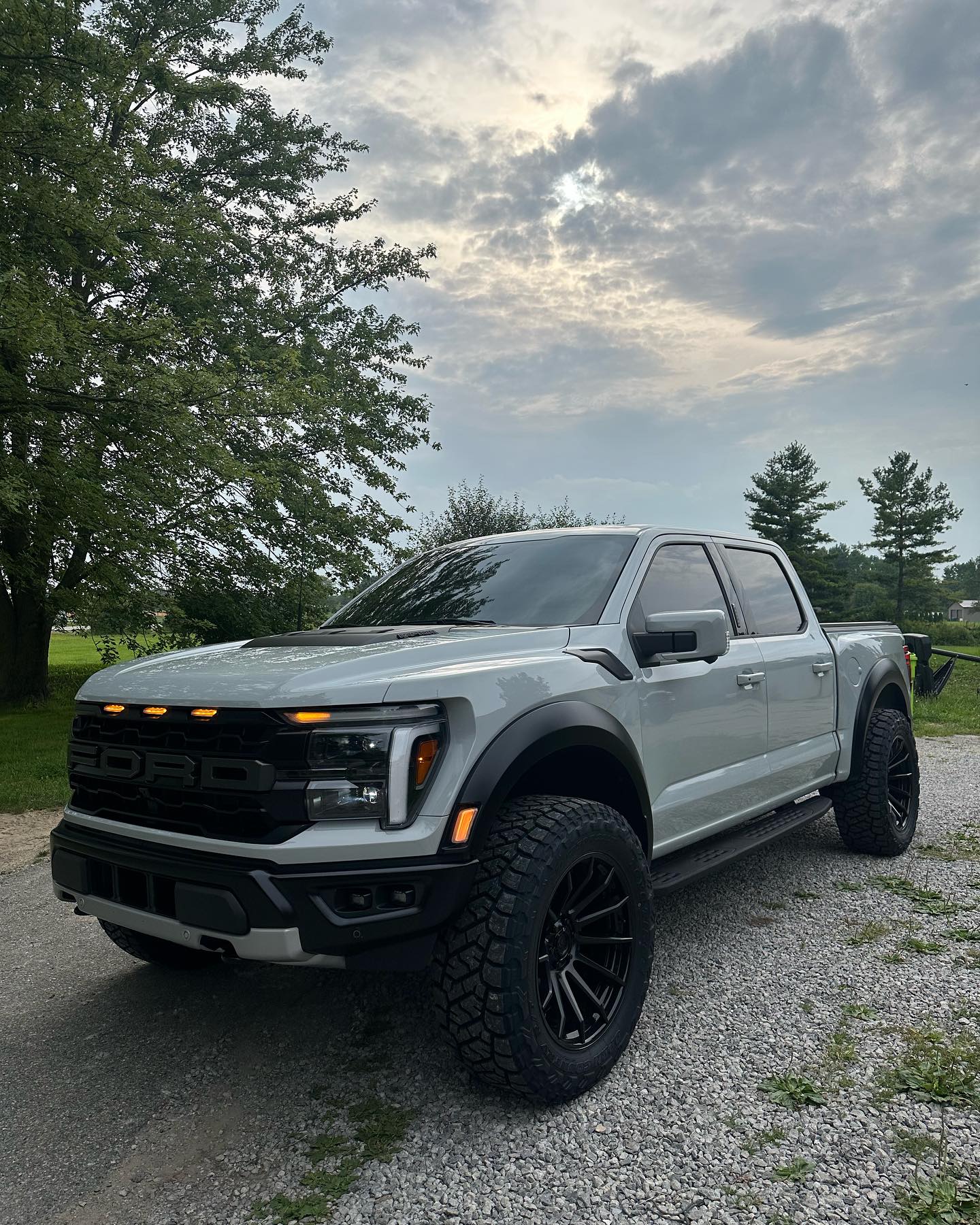
 

tinted windows on white Ford truck

Best Tint Shades for Night Drivers

If you do a lot of night driving — long commutes, rideshare work, third-shift jobs, frequent road trips — the shade you pick matters more than for someone who mostly drives during the day. Here's what we generally recommend.

For Heavy Night Drivers

Stick to lighter shades on the rear, around 35% to 50% VLT. You'll still get meaningful UV protection, heat rejection, and a clean look, but visibility through your rearview and side mirrors stays comfortable in most conditions. This is also a good range for drivers who frequently back into tight spots or drive in poorly-lit neighborhoods.

For Mixed Day/Night Driving

20% VLT on the rear is generally the sweet spot for most drivers. It looks dark enough to give real privacy and a finished look, but most people adjust to it for night driving without much trouble — especially if the film is a quality ceramic with strong optical clarity.

For Drivers Who Mostly Drive in Daylight

If your night driving is rare, you can typically go as dark as 5% VLT on the rear without much real-world trouble. Just understand that on the occasional dark, rainy night drive, your rear visibility will be limited, and you'll be relying more heavily on your side mirrors.

What We Don't Recommend at Any VLT

Cheap dyed tint, regardless of shade. Dyed films generally have a higher haze rate than carbon or ceramic, which can mean blurriness, glare, and reduced clarity at night that has nothing to do with how dark the film is. The film type usually matters as much as the percentage.

Ceramic vs. Dyed Tint and Optical Clarity

This is where the type of film makes a real difference for night drivers, and it's something most people don't think about until after the install.

Dyed films use a layer of organic dye to darken the window. The dye absorbs light, but it can also scatter light slightly — especially when the film starts to age or develop micro-imperfections. The result is sometimes a hazy, slightly blurry quality at night that gets worse over time as the dye breaks down.

Carbon films are usually clearer than dyed and tend to hold their clarity longer. They're a solid step up for anyone who cares about night visibility.

Ceramic films are typically the best of the bunch for optical clarity. The non-metallic nano-ceramic particles block heat and UV without significantly scattering light, so what you see through ceramic tint is generally crisper than what you see through dyed at the same VLT. Some drivers describe it as a noticeable difference — others find it subtle. It's largely subjective, but in our experience the optical quality difference is real, especially on darker shades and at night.

The two films we install at Vinyl Mafia — C2 Carbon and Pro Nano Ceramic — are both color-stable, low-haze options that generally hold their clarity for the long term. Specifics on each film are on our window tinting.


Tips for Driving Safely With Darker Tint

If you've already gone dark, or you're committed to doing it despite the night-visibility tradeoffs, here's how to keep yourself safe on the road. None of this is rocket science — but most drivers don't think about it until something almost goes wrong.

Adjust Your Side Mirrors Properly

With darker tint, your side mirrors generally do more of the work. The classic "blind spot" mirror setup — where you can see the side of your own car in the mirror — should be widened so you can actually see vehicles approaching in the next lane. Your inside rearview is helpful, but at night through a 5% rear window, side mirrors usually become your primary tool.

Keep Your Glass Clean — Inside and Out

Dirt, smudges, and film haze multiply at night. A clean window is meaningfully easier to see through than a dusty one. Use ammonia-free glass cleaner with a soft microfiber cloth, both inside and out. This generally matters more for darker tints than lighter ones.

Don't Drive With the Cabin Light On

An interior light at night turns your front windshield into a half-mirror — what's lit inside the car reflects back at you and washes out what you're trying to see in front. The same applies to leaving your phone screen face-up on the dash. Keep the cabin dim while you're driving and your eyes generally do better with what light is reaching them.

Replace Failing Tint Promptly

Old tint that's started to bubble, haze, or turn purple is usually significantly worse for night visibility than new tint of the same shade. If your film is past its prime, replace it sooner rather than later — especially before winter, when night driving usually goes up.

Be Honest About Your Eyesight

If you've noticed you're struggling more with night driving even on cars without tint, getting your eyes checked is worth doing before adding film. A current prescription, anti-glare coatings on your glasses, and adequate cabin lighting controls can all help. Tint isn't usually the problem in those cases — but it can compound an existing issue.

Consider Going Lighter on the Front

In Michigan, aftermarket tint isn't legal on the front side windows below the top 4 inches anyway, which means most drivers' front windows stay clear. That's actually a built-in safety advantage for night driving — your forward and side visibility through the front windows stays strong. The darker shades only apply to the rear, where good mirror habits cover most of what you need to see.


The Bottom Line

Yes, you can generally see through tinted glass at night. How well usually depends on the shade you pick, the type of film, your eyes, and the road conditions. Lighter shades like 50% to 35% on the rear barely affect night visibility for most drivers. Darker shades like 20% are very manageable in most conditions. 5% limo tint is the most dramatic and is best reserved for drivers who mostly drive during the day and don't mind leaning on their mirrors after dark.

The film type usually matters as much as the percentage. Quality ceramic and carbon films generally hold their optical clarity for the long term and tend to feel cleaner at night than cheap dyed film, which can fog up and haze as it ages.

If you're not sure how dark to go, get in touch with us through the form on our window tinting page. We can show you our different shades so you can see for yourself before you commit. That usually beats guessing from a phone screen.

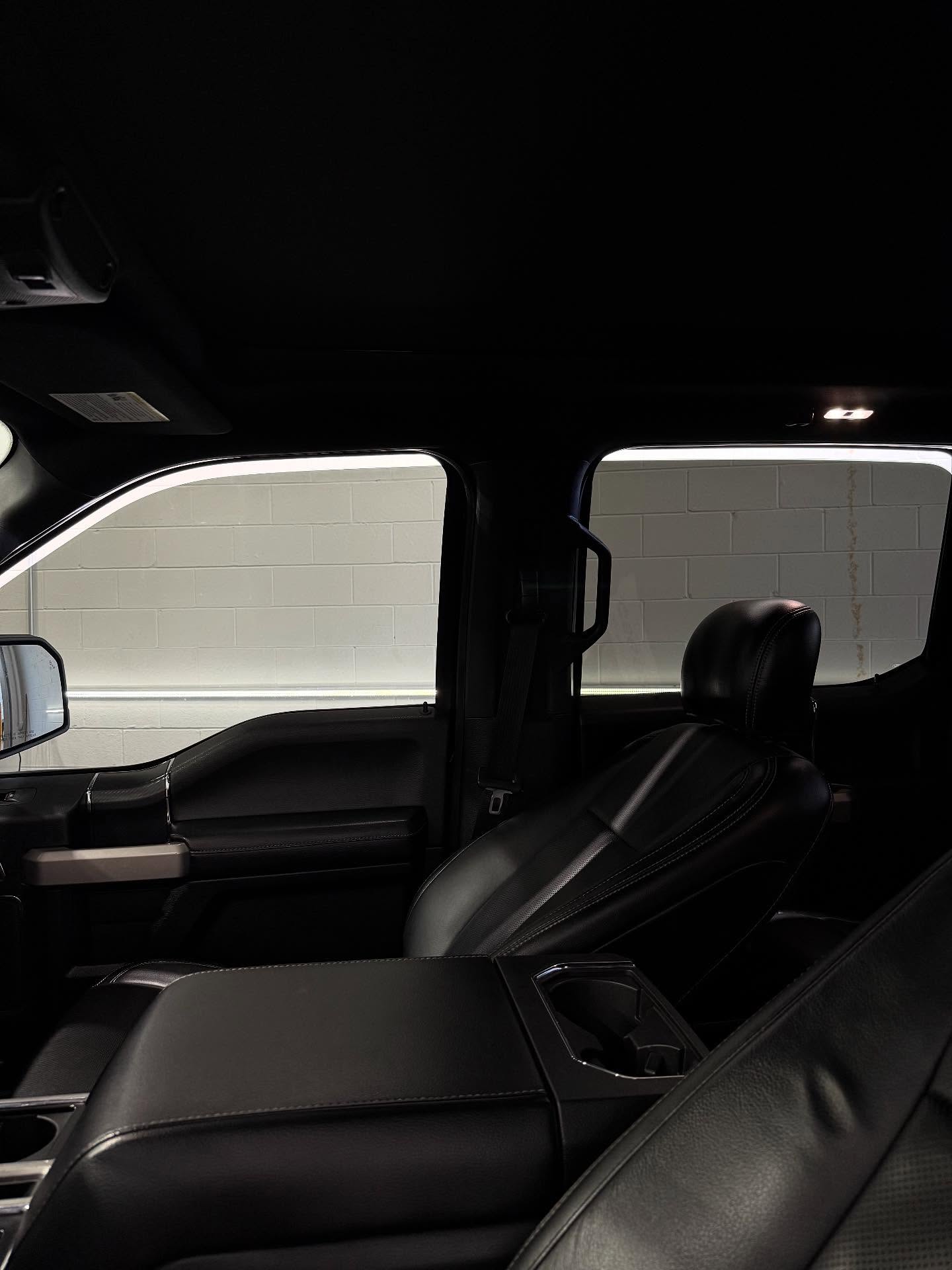
image of car interior with tinted window
Leave a Reply

Your email address will not be published. Required fields are marked *

GET A FREE QUOTE TODAY